Understanding Hydrophilic Catheters: Why Some Patients Prefer “Ready-to-Use” Options

For many men, the transition to intermittent catheterization is a significant lifestyle adjustment. One of the most common hurdles is the discomfort and “stinging” sensation associated with standard PVC catheters and manual lubricants. This is where hydrophilic catheters have transformed patient care. By providing a consistent, bonded layer of lubrication, these “ready-to-use” options offer a smoother experience that many find more comfortable than a standard catheter for men.
How to Read Your Catheter Prescription: Tips for Reordering the Right Supplies

Understanding your medical documentation is the first step toward a seamless reordering process. When you receive a prescription for a catheter for men, it contains specific clinical data that translates directly into the comfort and safety of your daily routine. By learning to decode these terms, you can avoid shipping errors and ensure you always have the necessary external catheter for men or intermittent supplies on hand
Traveling with Catheters: How to Pack and Discreetly Use Supplies on the Go

Traveling with a urological condition shouldn’t keep you grounded. Whether you are navigating a long-haul flight or a cross-country road trip, the key to a stress-Hill journey is preparation and discretion. By organizing your kit and choosing the right products—such as a specialized catheter for men designed for portability—you can maintain your routine without drawing unwanted attention
A Beginner’s Guide to Using Intermittent Catheters at Home
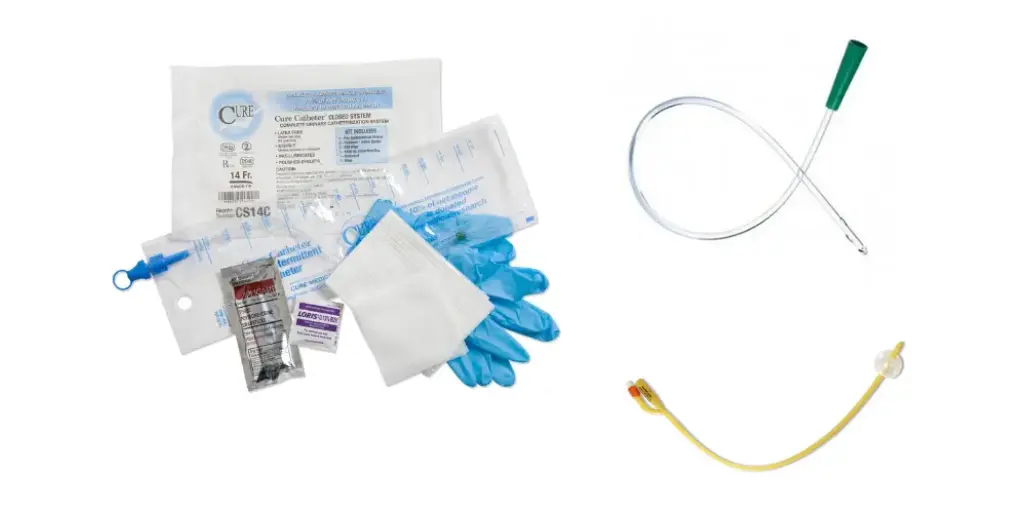
Starting a self-catheterization routine can feel intimidating, but with the right guidance, it quickly becomes a simple part of your daily health regimen. Using an intermittent catheter is a safe and effective way to manage bladder health and maintain an active lifestyle from the comfort of your home
Straight vs. Coudé Tip Catheters: Choosing the Right Tip
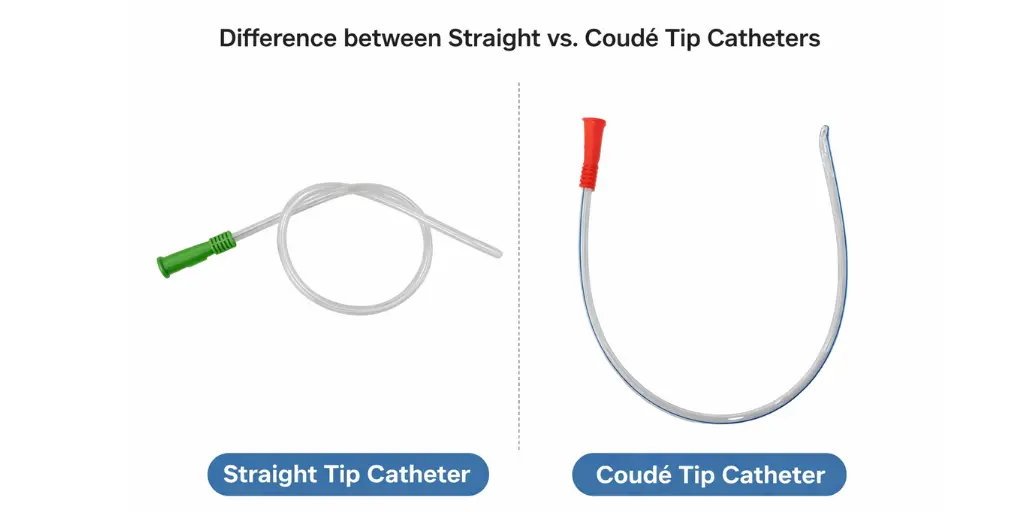
Choosing the correct equipment for urological health is vital for comfort and safety. While most users start with a standard design, anatomical variations often require a more specialized tip. Understanding the difference between straight vs. coudé tip catheters is the first step toward a more comfortable daily routine
How to Safely Use and Care for Your Catheter at Home

Safely managing a catheter at home is essential for preventing infections and ensuring comfort. Below is a focused guide on the best practices for using and caring for your urinary catheter supplies, with a specific emphasis on hygiene and safety
Does Medicare Cover External Female Catheters?

For many women living with urinary incontinence, external catheters offer a non-invasive and effective way to manage their condition and improve their quality of life. Compared to traditional indwelling catheters,
Early Signs of Catheter Infection & How to Prevent UTIs

Using a catheter creates a direct path for germs (bacteria) to enter the bladder and urinary system. Even with careful cleaning, having a foreign object in the body and continuous drainage can weaken the body’s natural defenses
How Often Should You Change Your Catheter? A Guide to Catheter Replacement and Supply Coverage
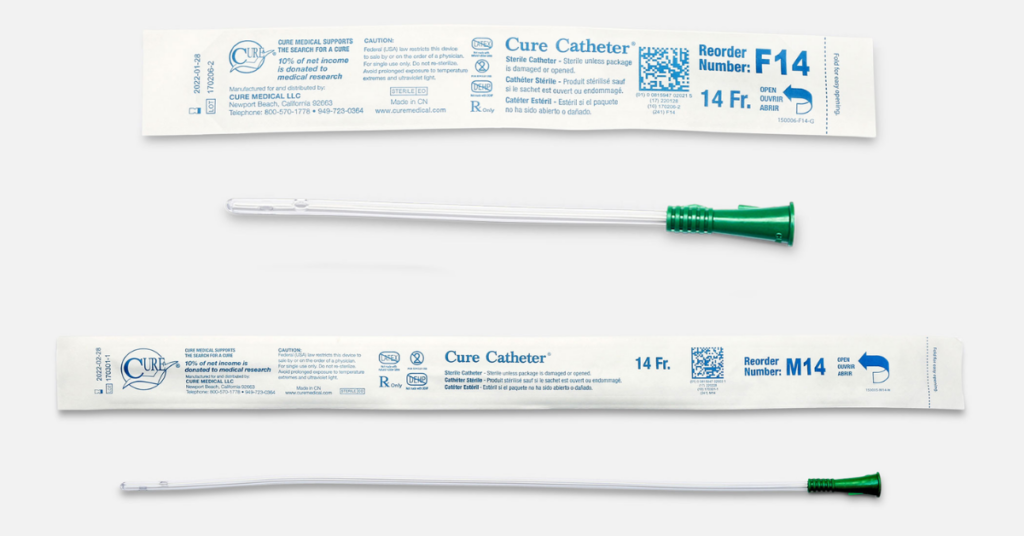
Managing a catheter can be challenging, but knowing how often to change it and what supplies are covered by insurance can make the process easier. This guide will walk you through the recommended replacement schedules for different types of catheters and provide information on Medicare coverage for catheter supplies
Understanding Three Different Catheter Types Catheters Covered By Medicare and Other Insurances
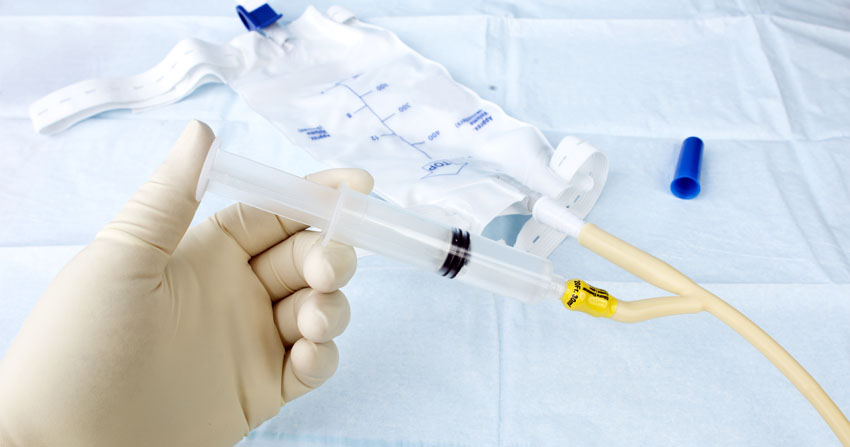
Catheters play a vital role in managing urinary issues by assisting with the collection and drainage of urine from the body. Medicare covers urinary catheters and devices used to collect urine for people dealing with lasting urinary issues, like permanent incontinence or retention